
There must be a host of cities around the globe that have been glowingly described in travel stories as “the Paris of (fill in your chosen country … ) . Yerevan in Armenia really is a doppelganger for the French capital. Only the crowds and the brutally high prices are missing.
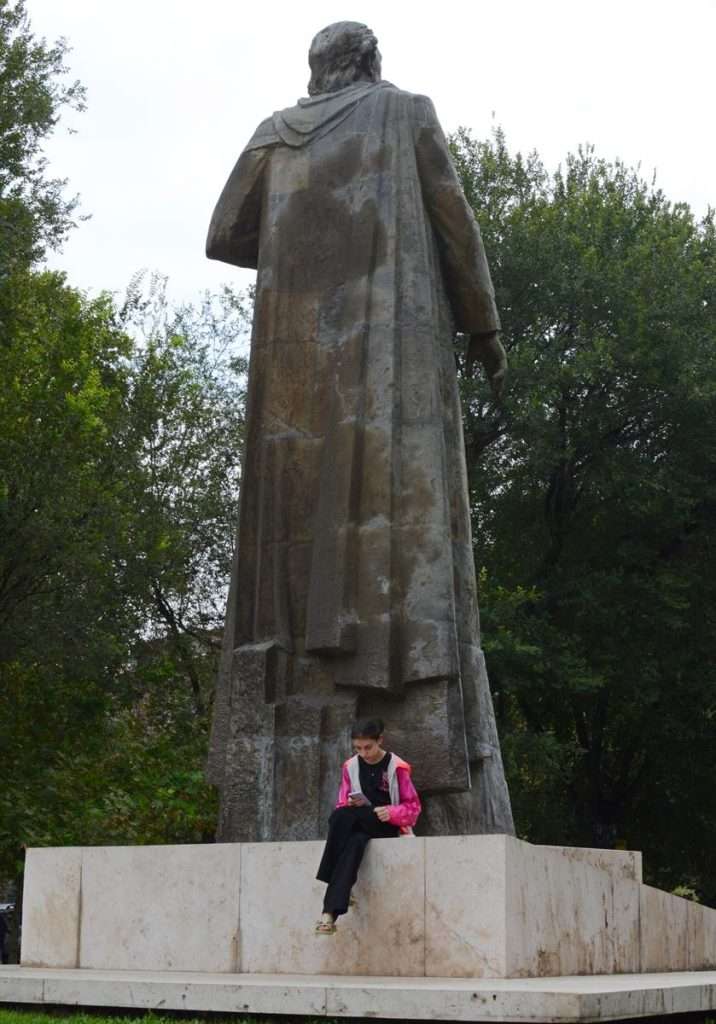
Said to be one of the world’s most mountainous nations, Armenia today is a vibrant contrast between the elegant sophistication of its Paris-style big city and the surrounding lofty heights of its largely rural and wildly historic hinterlands.
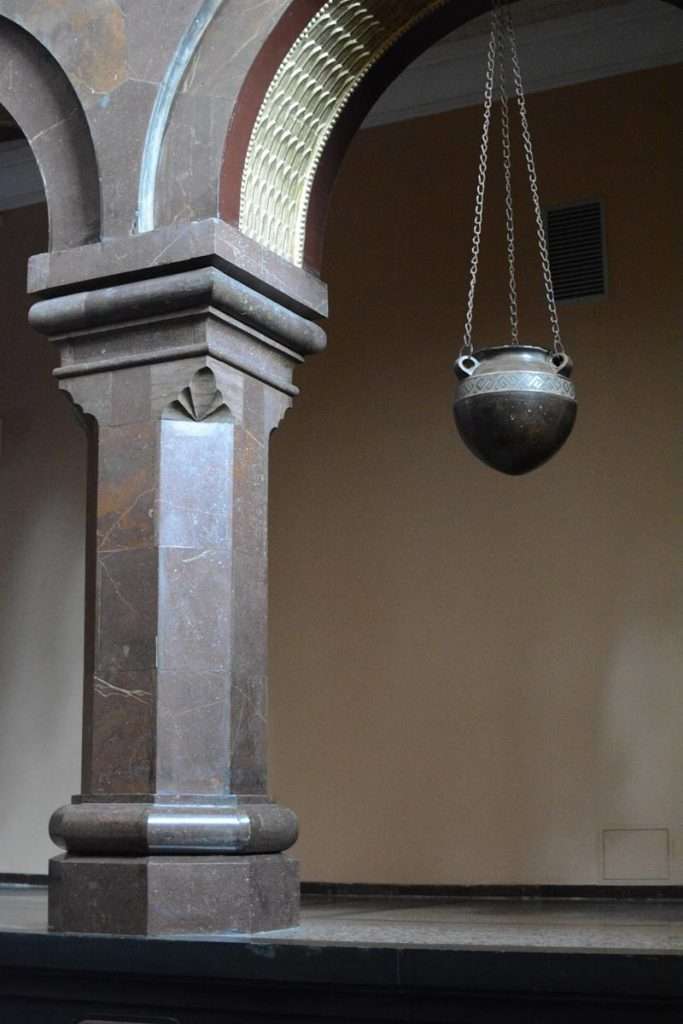
To fully experience the myriad pleasures of this crossroads nation, spend so time in each. Here are seven locations throughout this former Soviet republic that are more than worth a day or two of your holiday:
1:Whether it’s the sprawling market, the shady, tree-lined parks, or the restaurants and concert halls where Armenia musical traditions live on, the capital offers experiences that beautifully sum up this nation and its soul.
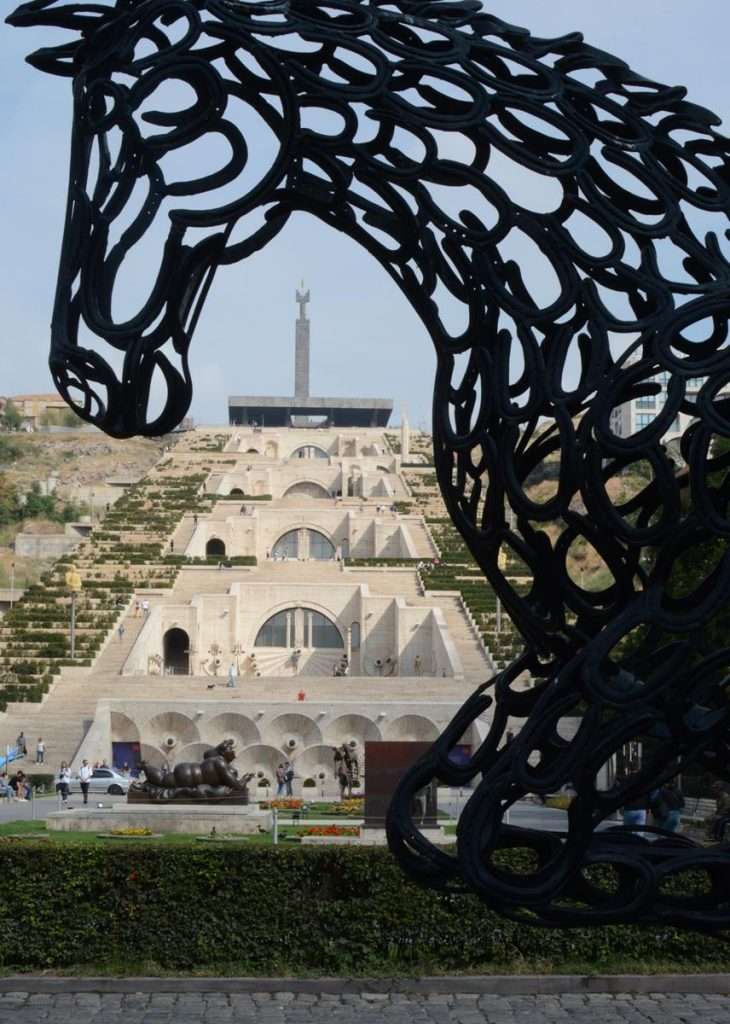
Shop for everything from hand-crafted chess sets to quality jewelry and art at the Vernissage Market, a huge open air emporium open most days of the week. Appreciate the tragic loss of life this nation suffered from 1915 onwards at a moving memorial and museum called Tsitsernakaberd Memorial complex. It is dedicated to the memory of the 1.5 million souls who perished early last century at the hands of the Turks. Enjoy the daring architecture of the Cascade Complex in the city centre, adorned with quirky sculptures and cooling fountains.
Learn from the collection at History Museum of Armenia or view very ancient texts at the Matenaderan Museum of Manuscripts.
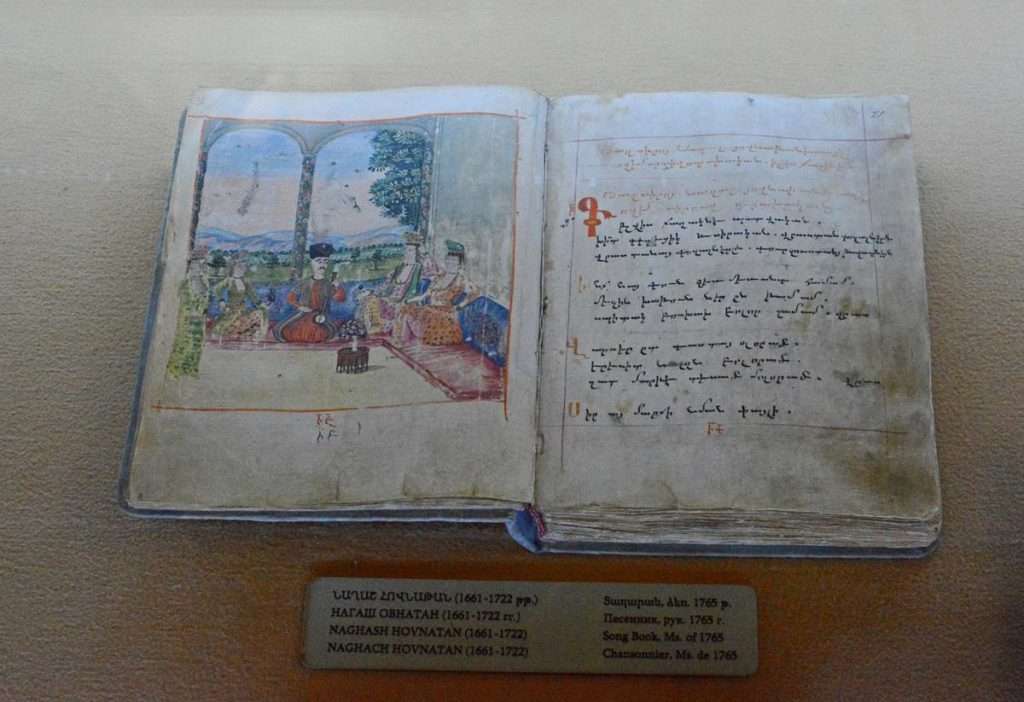
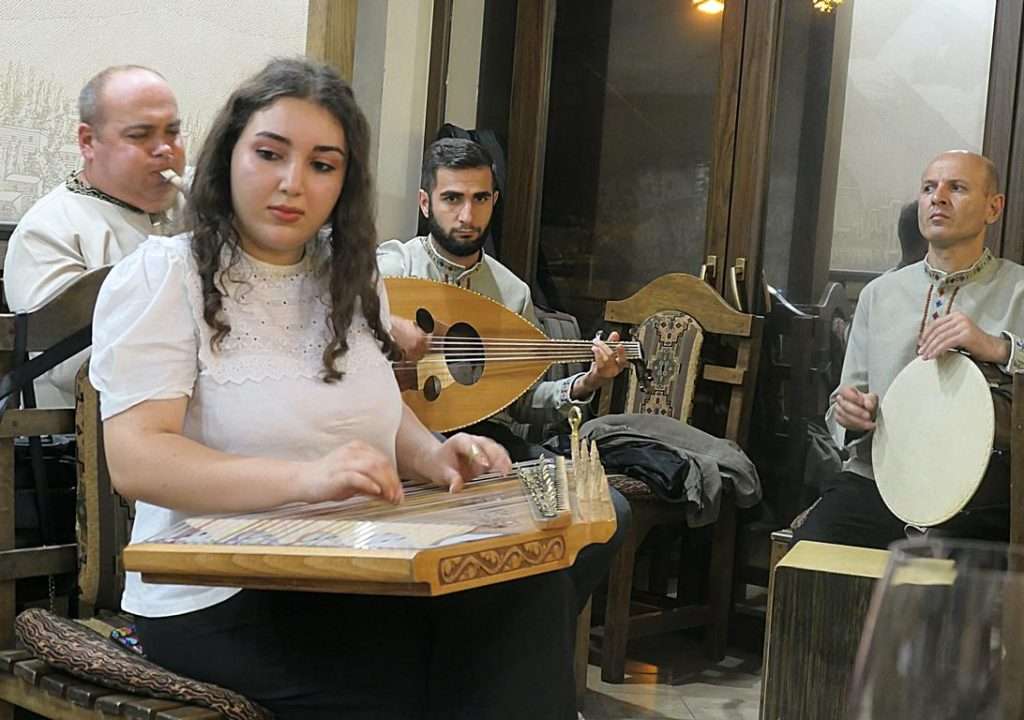
In the evening, get a recommendation from your hotel for live traditional music at a concert hall or even better in a restaurant, where you’ll dine accompanied by melodies two or three centuries old.
2: Are they some sort of ancient Stonehenge-like observatory? Or, more likely, are they a burial ground for noble figures. Whatever the explanation, Karahunj is a collection of 223 large stones, some still standing, located on a desolate hilltop.
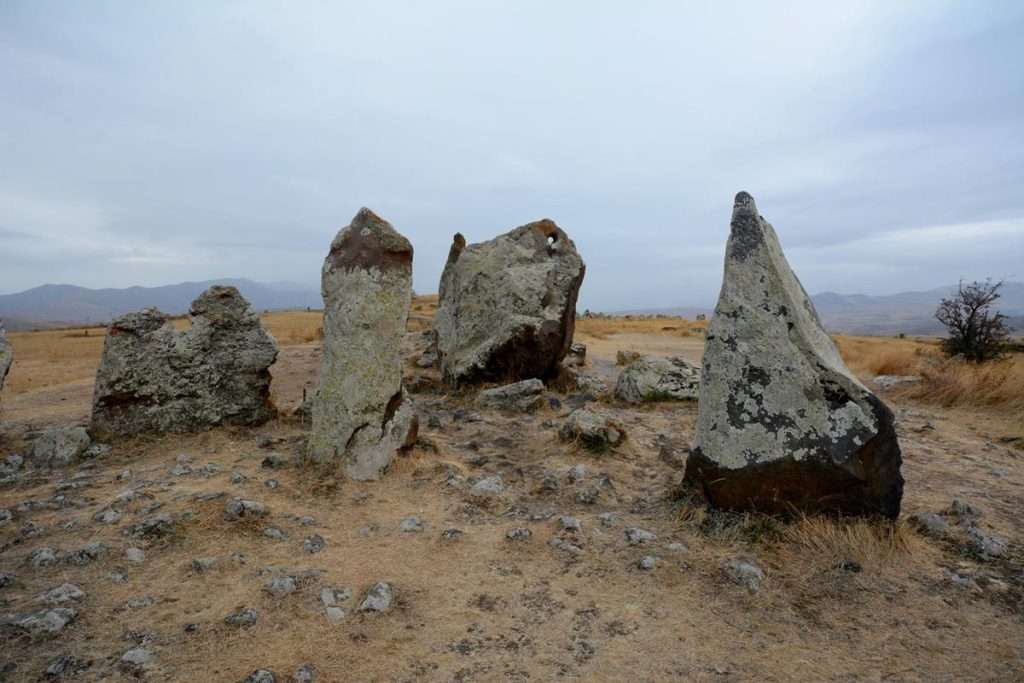
Dating from the Middle Bronze Age (we’re talking 1800BC here), the site was only unearthed in the 1950s and postulated as an ancient observatory in 1984.
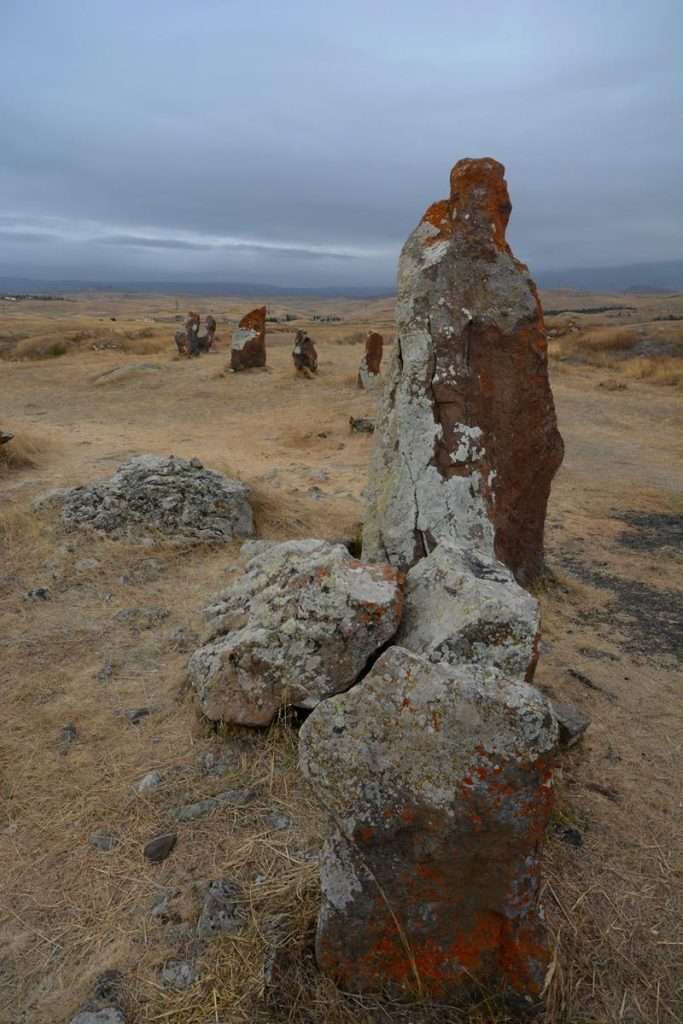
The fact that it is probably not really for stargazing in no way diminishes its appeal.
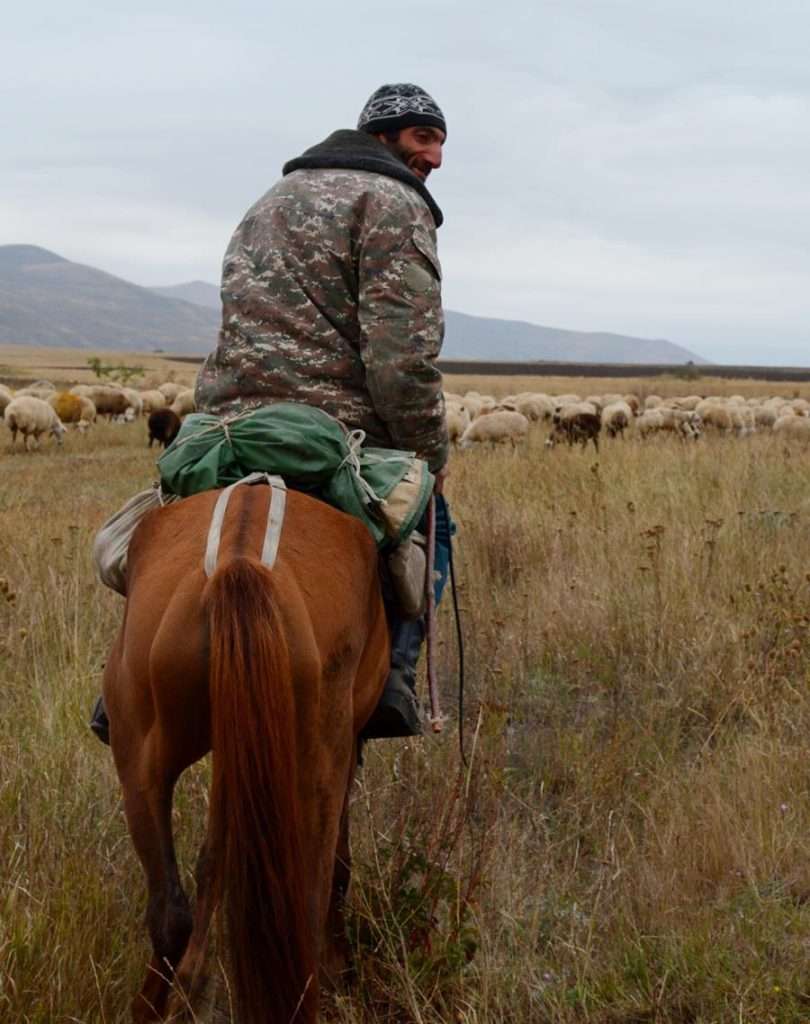
Nearby we spotted a shepherd tending his flock on horseback just as his ancestors must have done for centuries.
3: Certainly nowhere else on earth can you ride on a 5.7 kilometre aerial cableway (the longest of its kind anywhere) to a superbly maintained working monastery.
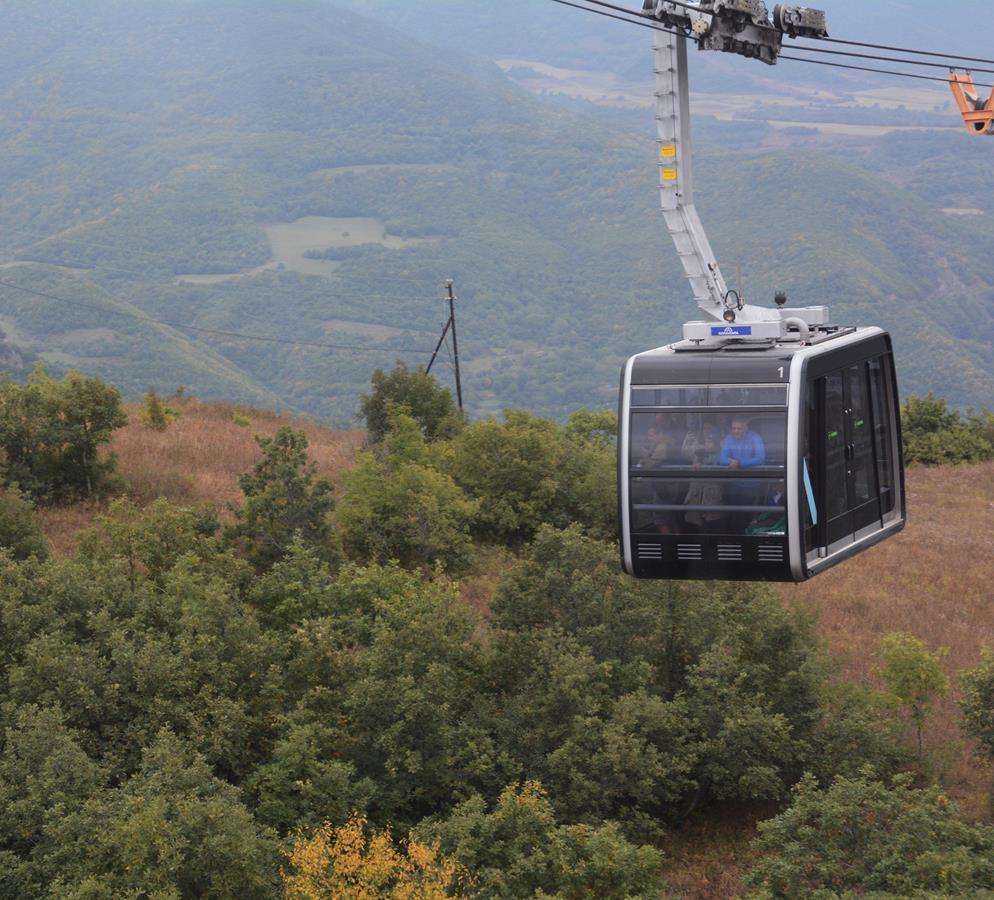
It’s the Wings of Tatev and it’s one place where the journey is equal in delights to the destination. A compact cable car whisks you over mountains and meadows until you arrive at Tatev Monastery, set in supremely picturesque settings and dating from the 9th century.
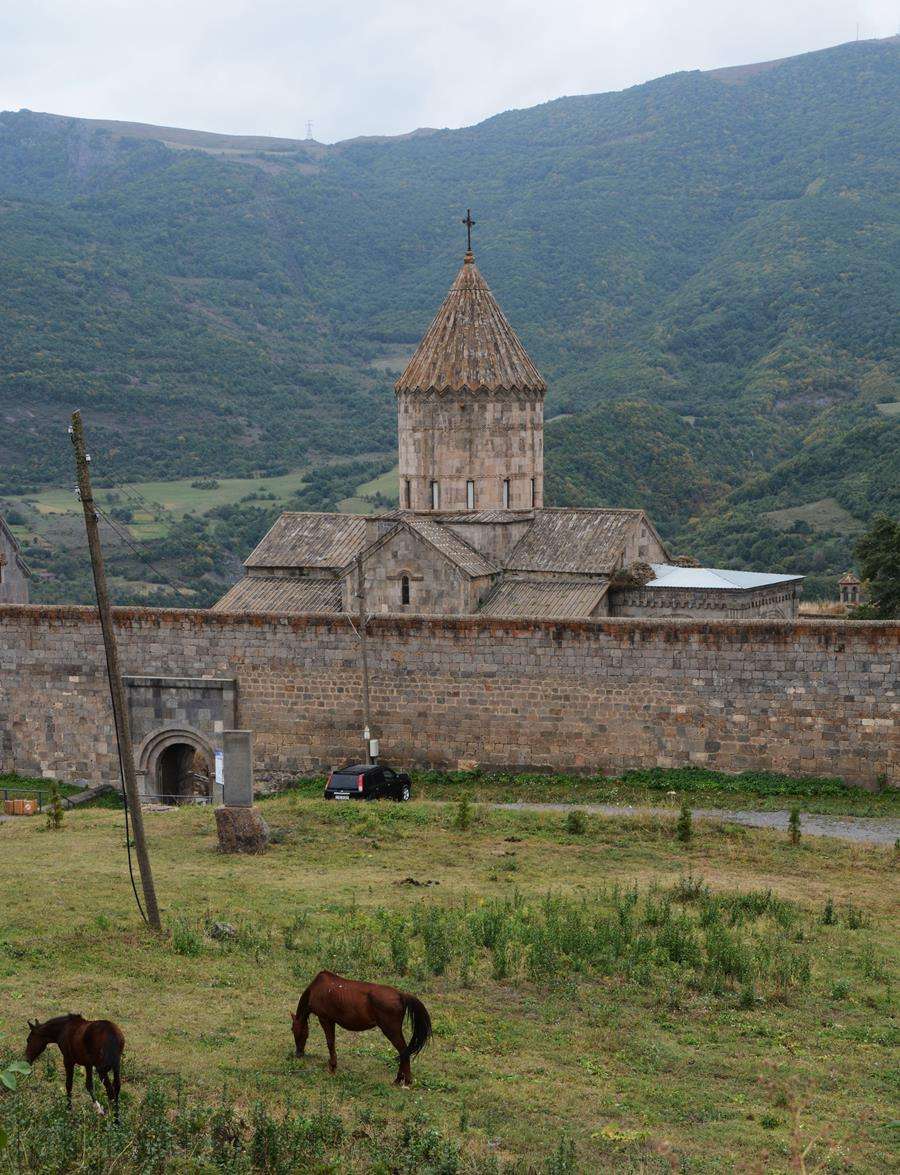
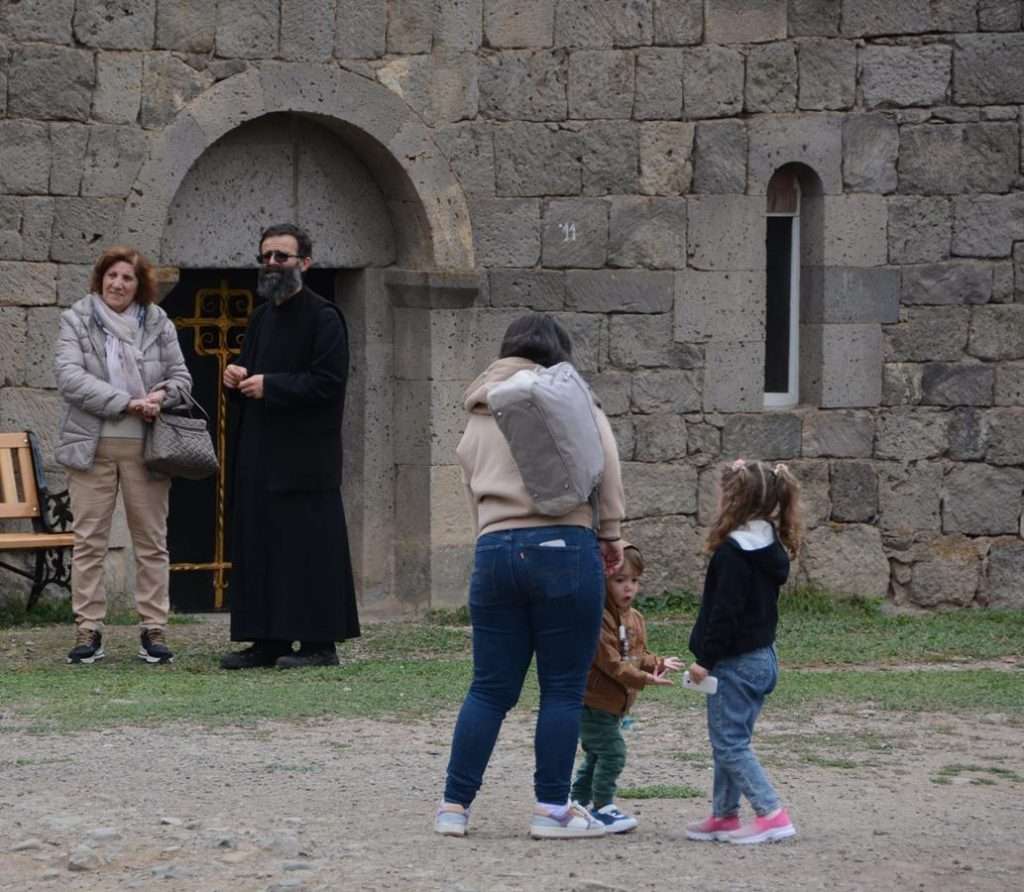
Looted and burned during various raids by naughty invaders like the Mongol chief Tamerlane and later the Persians, the site was reborn in the 17th century and today provides rough-hewn rooms and passageways you can explore to your heart’s content.
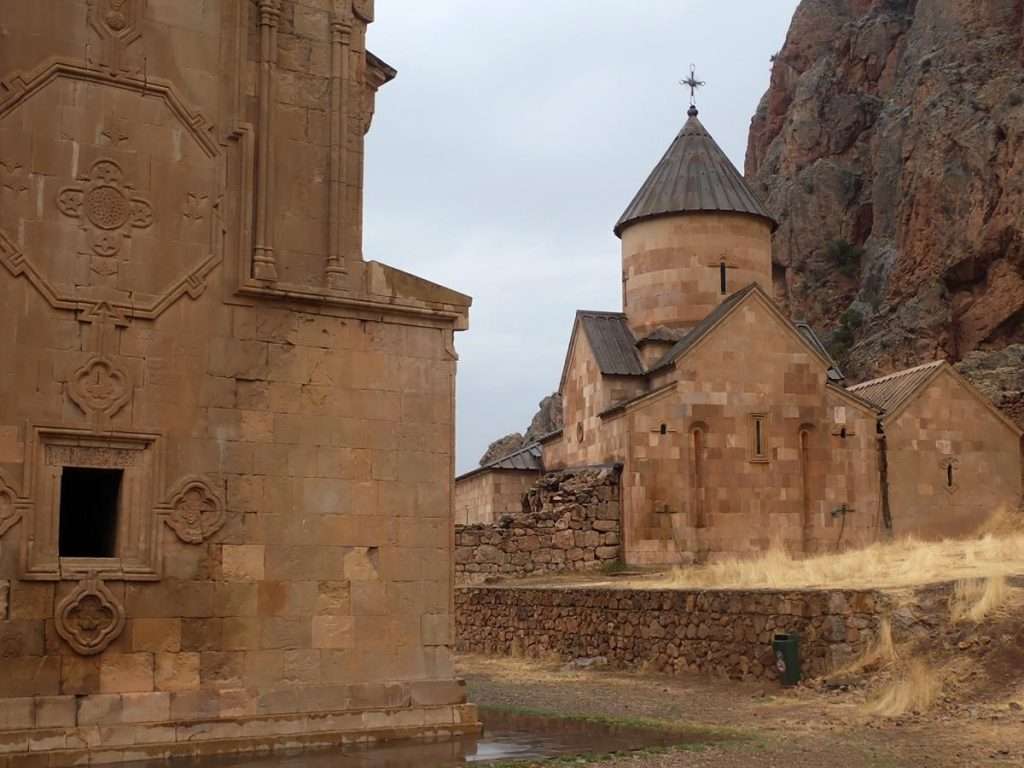
4: Speaking of monasteries in delectable locales, how about Noravank? Wedged as it is alongside the red rock gorge of the Amaghu River, Noravank dates from the 13th century (which in this nation places it in almost modern times).
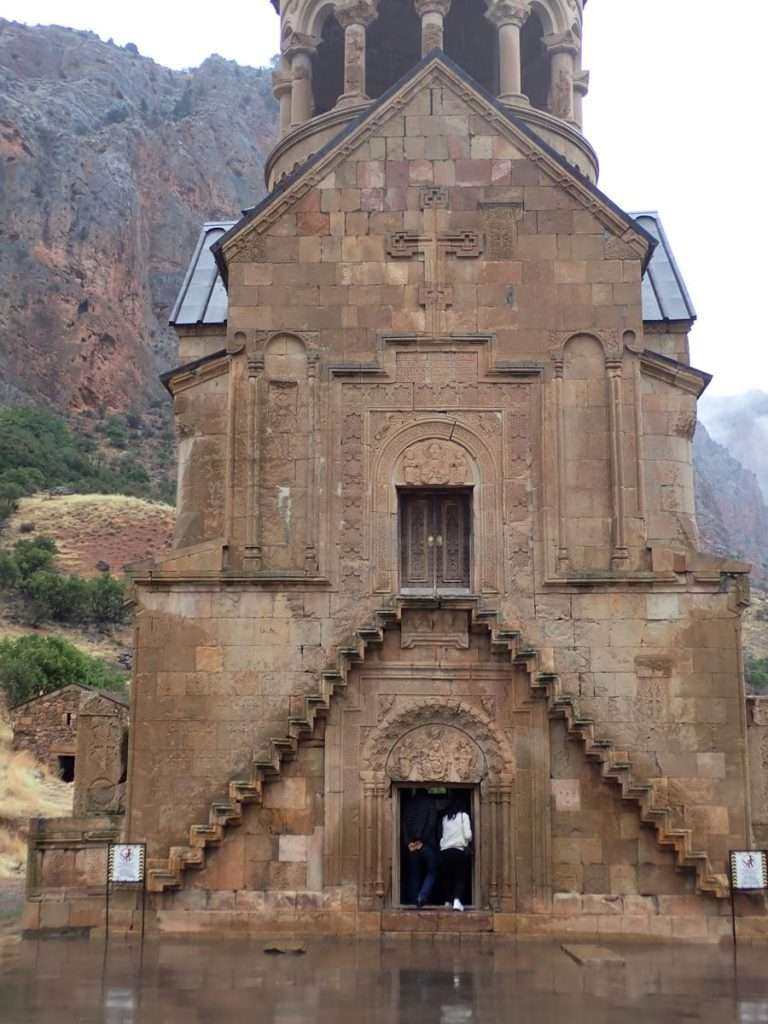
The most magnificent building of the monastery is the two-storey St. Astvatsatsin Church, constructed in 1339 by Prince Burtel Orbelyan. The building is a classic architectural monument. The rectangular church rests on a high foundation, which gives it a majestic and monumental air. The main facade of the temple is cross-shaped and is decorated with a carved cross and images of several saints. In the church’s centre, a beautiful dome is decorated with arched columns.
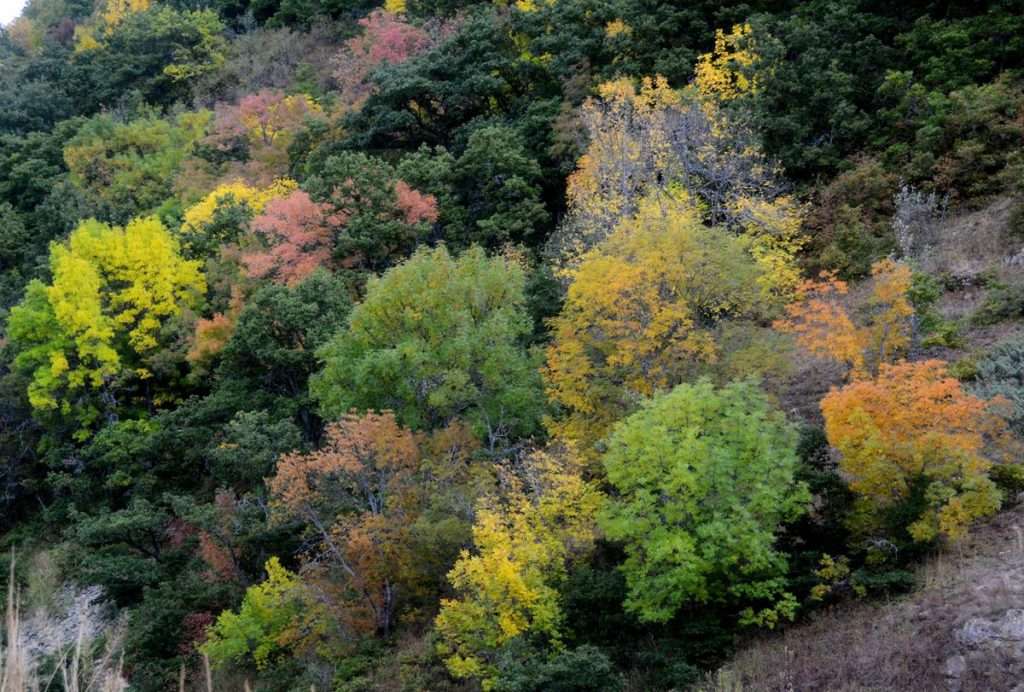
5: Okay, I admit it – I am a sucker for splendid waterfalls. That’s why I’d happily return to Jermuk, a wildly popular falls set in a forest which (luckily for us) was ablaze in early autumn colour.
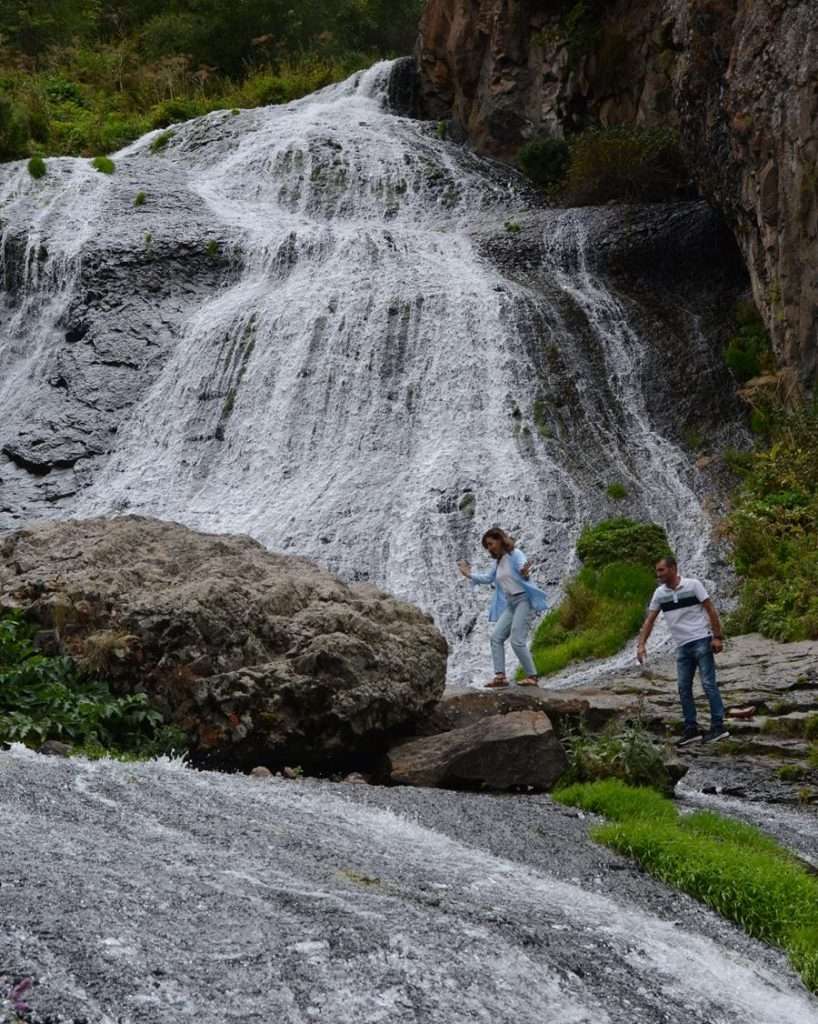
The falls are more than 70 metres high and flow in a smooth flat style over polished rocks. I’m told that in early springtime floods, visitors will get well and truly soaked even on the viewing bridge.
Nearby is an elegant health resort with various small fountains dispensing healing waters. A pretty lake, a modern resort hotel and above-average restaurant offering local delicacies complete the attractions.
6: The name Silk Road ought to evoke the romance and mysteries of trade between ancient China and the west more than a thousand years ago.
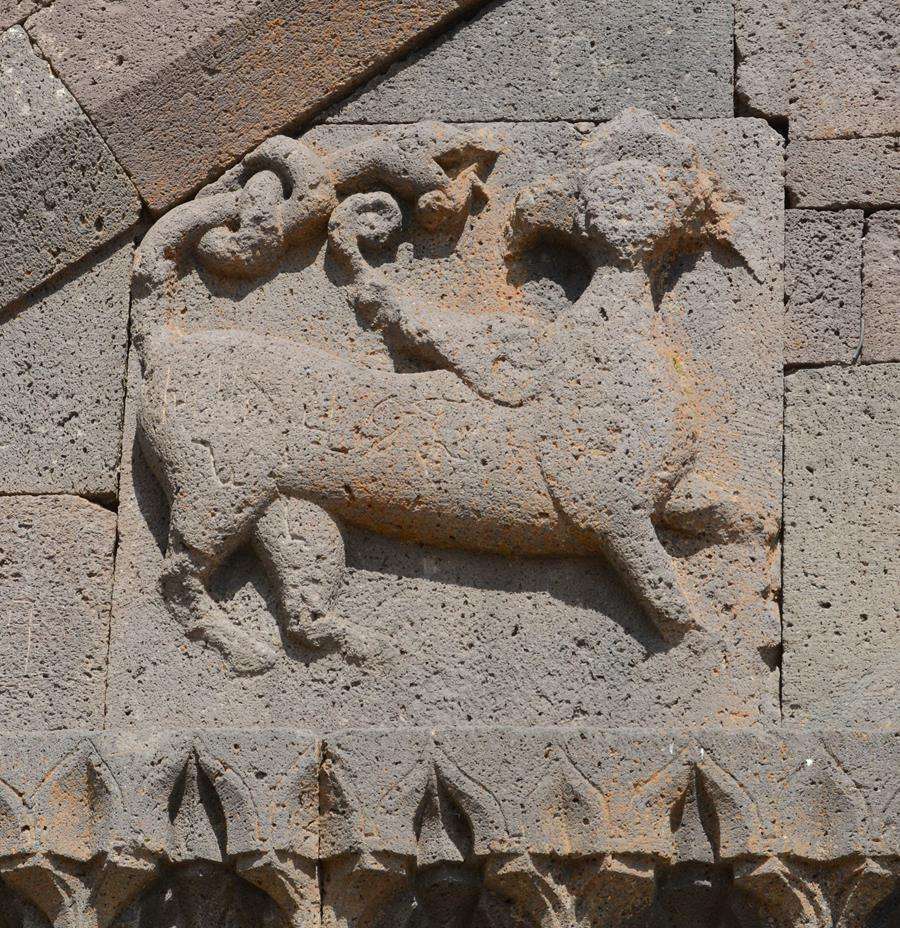
One spot you can experience just what it must have been like to transport precious goods over this long and rugged topography is Orbelian’s Caravanserai, perhaps the best-preserved travellers’ shelter in all of Armenia (and beyond).
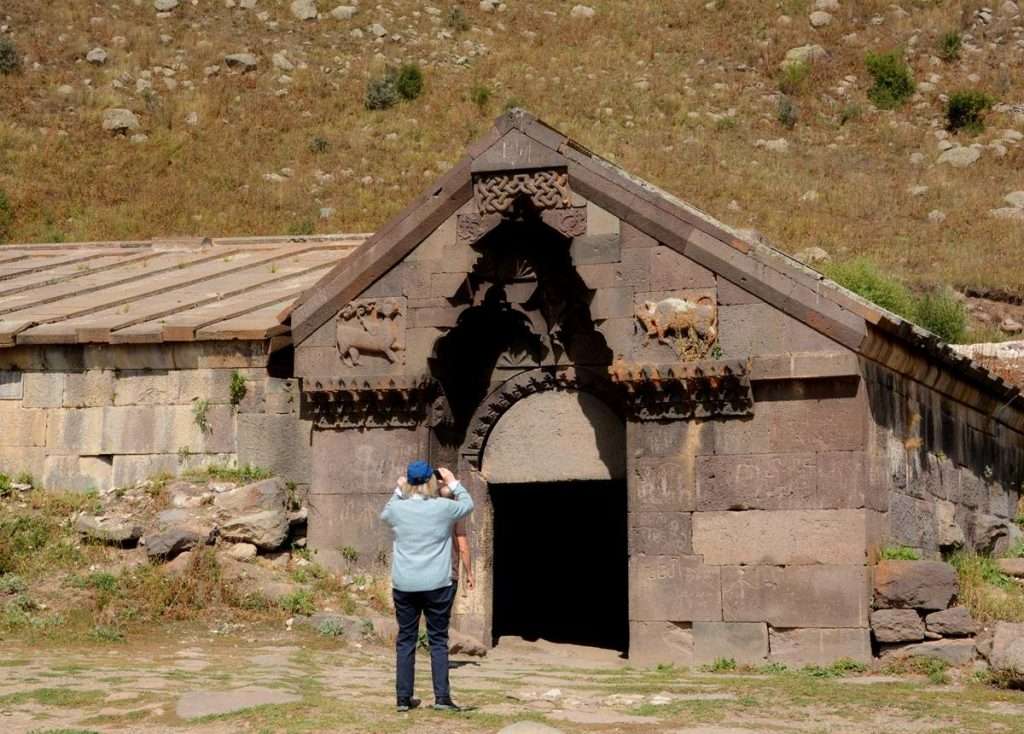
It was built by Price Orbelian (hence the name) in 1332 so traders and their essential animals could enjoy a safe and warm refuge from the icy (or broiling) weather en-route.
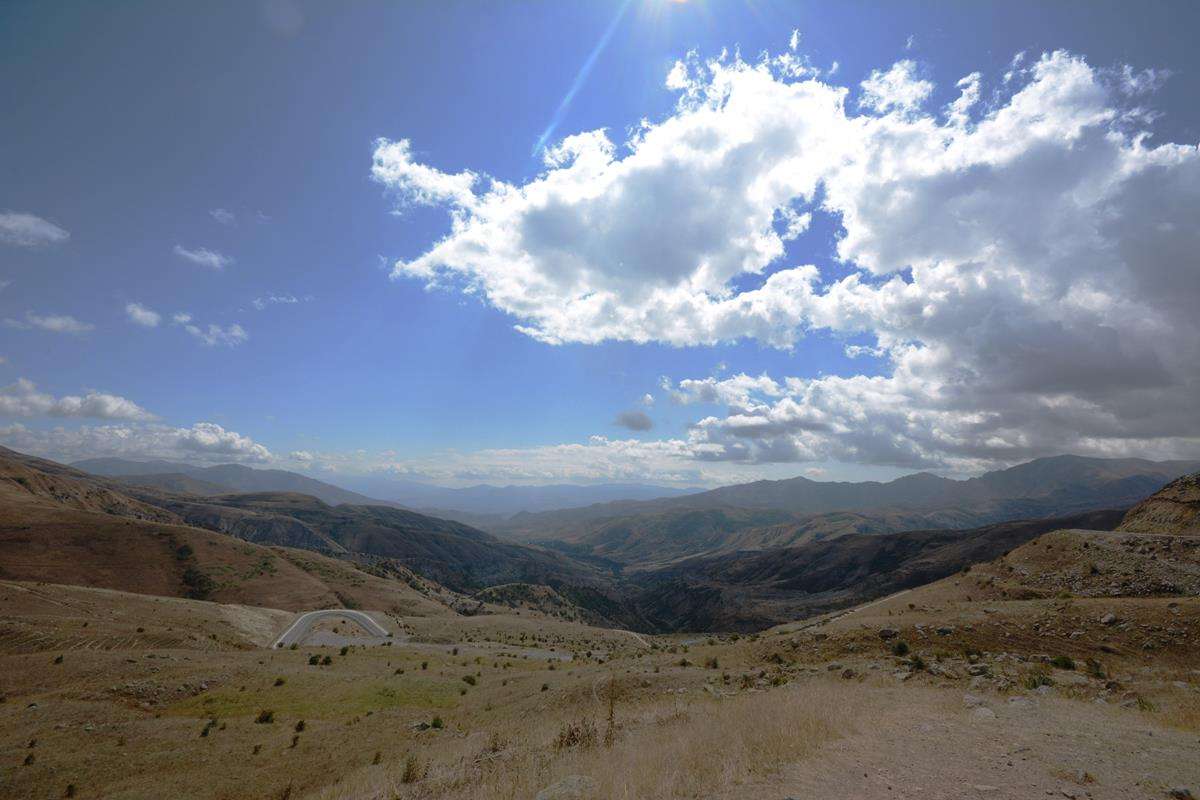
Here you are 2,410 metres up into the mountains of Vayoti Dvor. It’s a bleak and pitiless landscape, perfect for gazing out and imagining life along the Silk Road in ancient times.
7: At just over 1900 metres above sea level, Lake Sevan is one of the highest freshwater lakes in the Caucasus region. It is huge – extending over 1300 square kilometres but its sheer size is not the attraction.
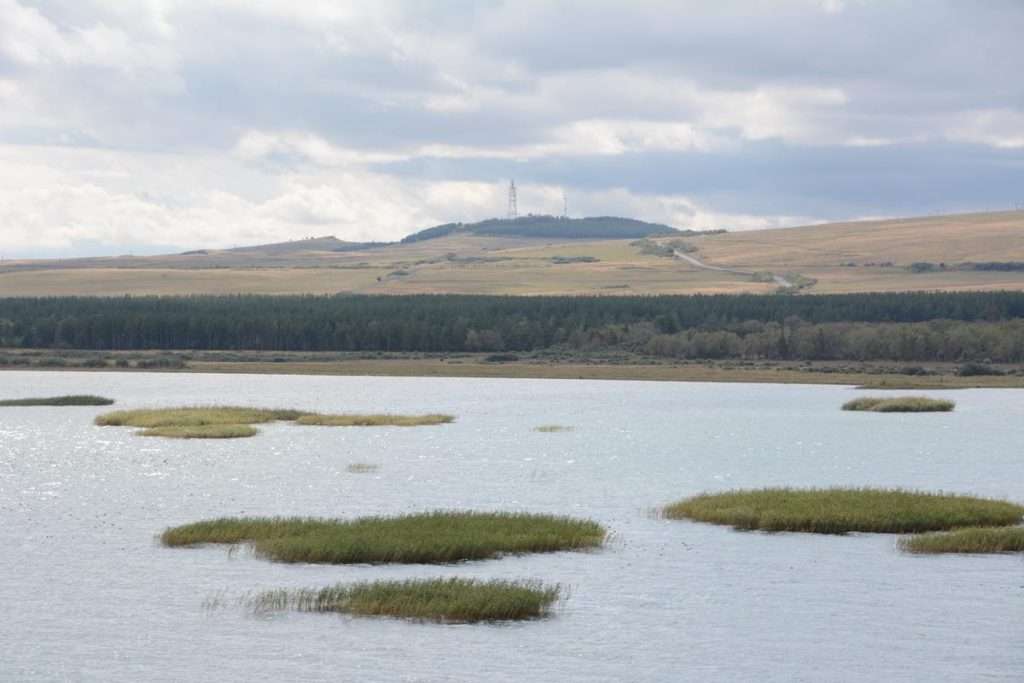
St Stepanos Church, built in the 9th century with 10th and 12th century additions, is a repository of all that is fascinating about Armenia’s liturgical history.
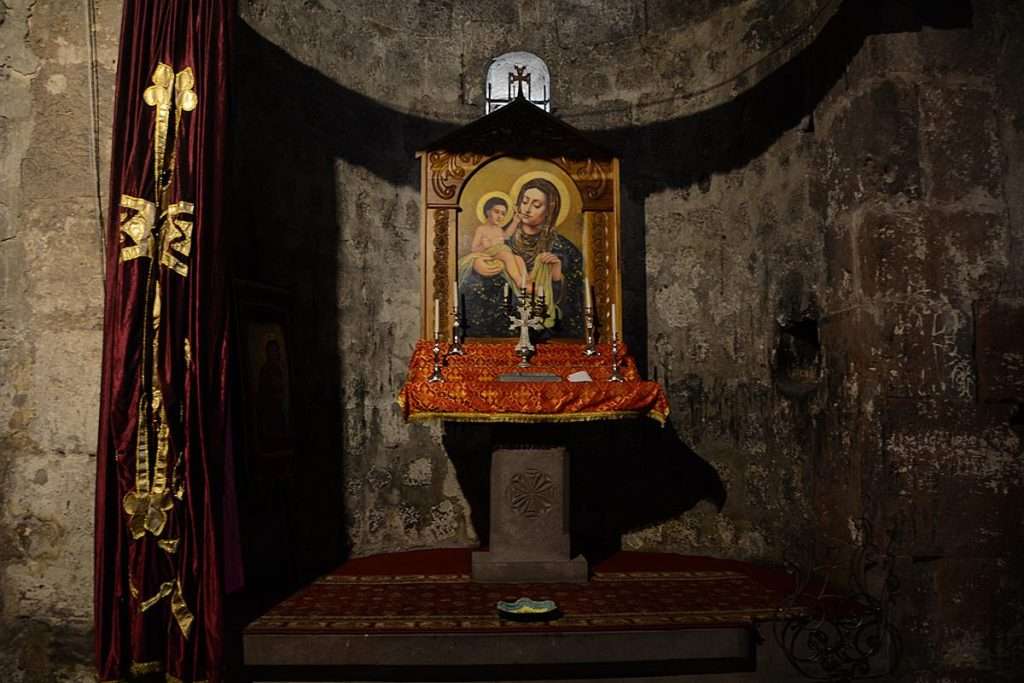
Outside the church are jagged rocks and the stone remains of another, older chapel, covered in vivid orange lichen.
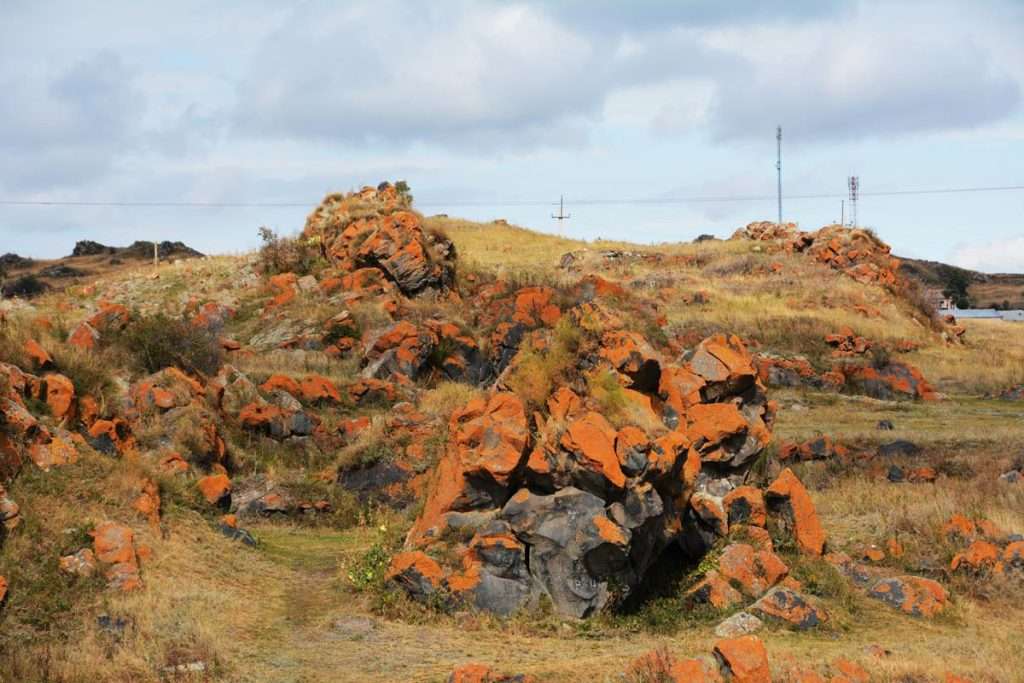
In all it’s a setting right on the shores of the lake that makes for an unforgettable visual experience.
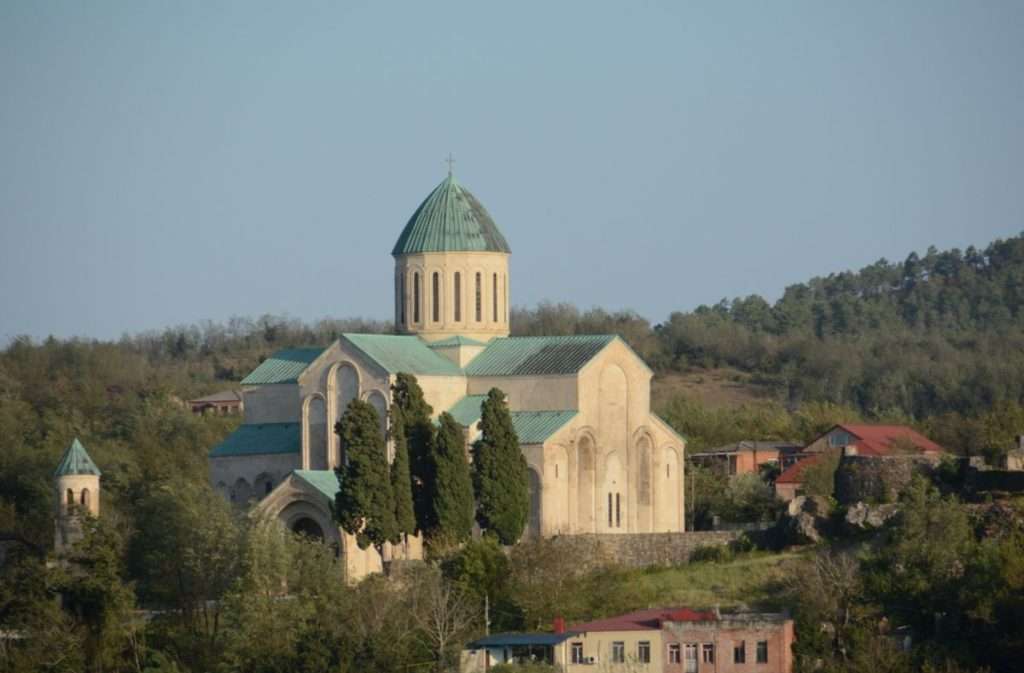
There is a certain special delight in visiting a nation that is very much under the tourism ‘radar’. Unlike France or Italy or Japan (to mention just three), with Armenia you are not bombarded with bucket list stories in the travel media – places that ‘everyone’ must see. Discover this country for yourself, with or without any of the helpful suggestions above. Enjoy!