EIGHT GREAT PLACES TO VISIT ON THE EYRE PENINSULAR
A couple of weeks on South Australia’s Eyre Peninsula leave memories that seem in retrospect a bit like leafing through an album of snapshots. There’s that couple fishing at Streaky Bay and how thrilled they were to be hauling in so much King George Whiting and snook.
Or the family of ten at an upscale restaurant in Port Lincoln feasting on crays they’d landed that afternoon and presented to the chefs for a special banquet. Pure bliss for them, jealousy for us since crays were not on the menu. How about the young couple wandering along the enchanting South Head Walk at Venus Bay? The wind was howling, their faces were covered in misty rain, yet they lingered, entranced by the spectacle and roar of a wild sea.
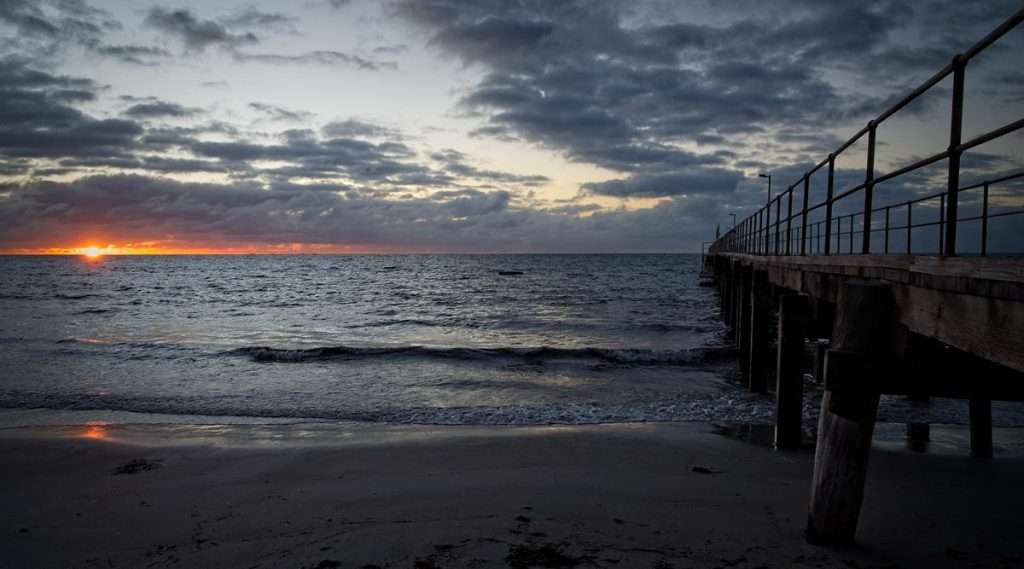
Or the utter tranquility of the moments just before dawn at Arno Bay. Behold streaks of orange and red painting the broken grey clouds – soon there will be a fiery ball emerging from the calm water into the eastern sky.
The Eyre Peninsula is one pretty big place, so to tell you about it, I’ll offer up some snapshots from what proved to be a memorable visit:
1: South Head Walk at Venus Bay:
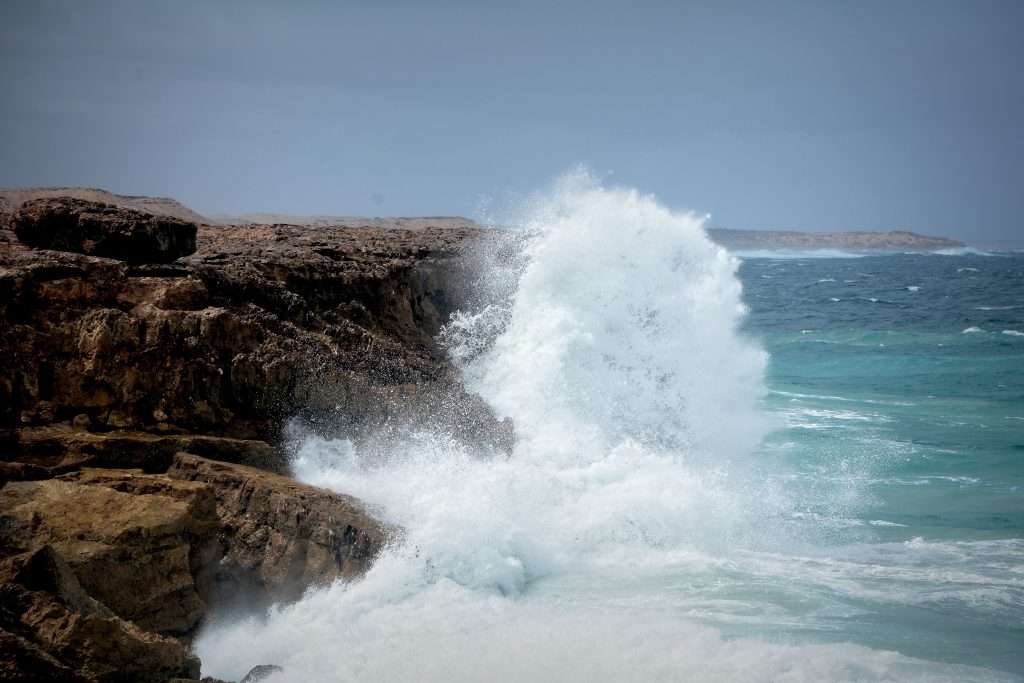
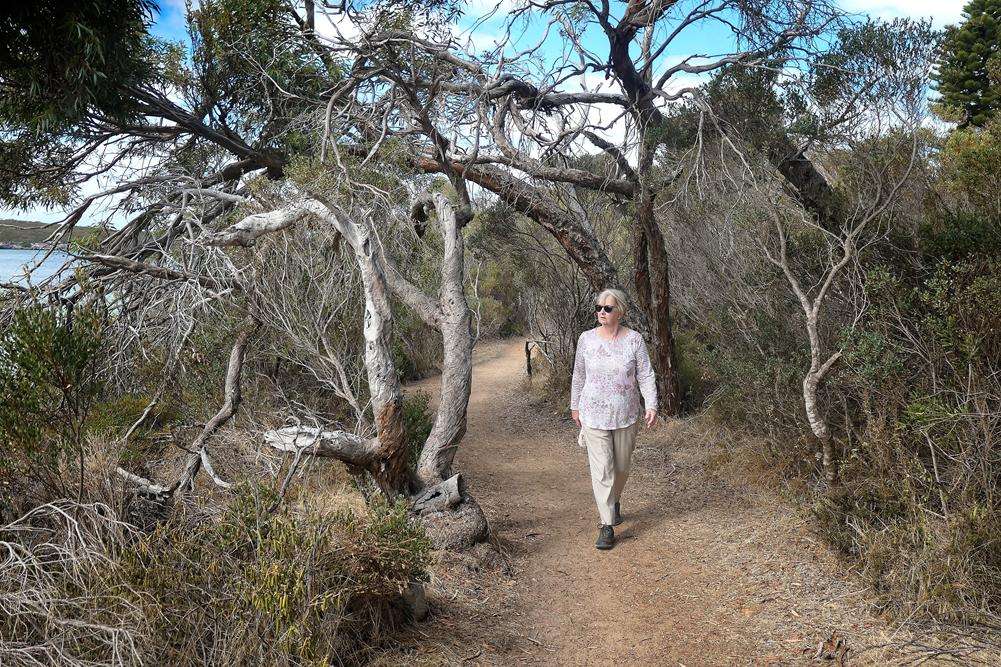
It’s not exactly a well-publicised walk but it should be. This easy 70-minute coastal walk right in Venus Bay delights visitors with views of sheltered little coves followed by vistas of monster waves slamming into well-worn headlands.
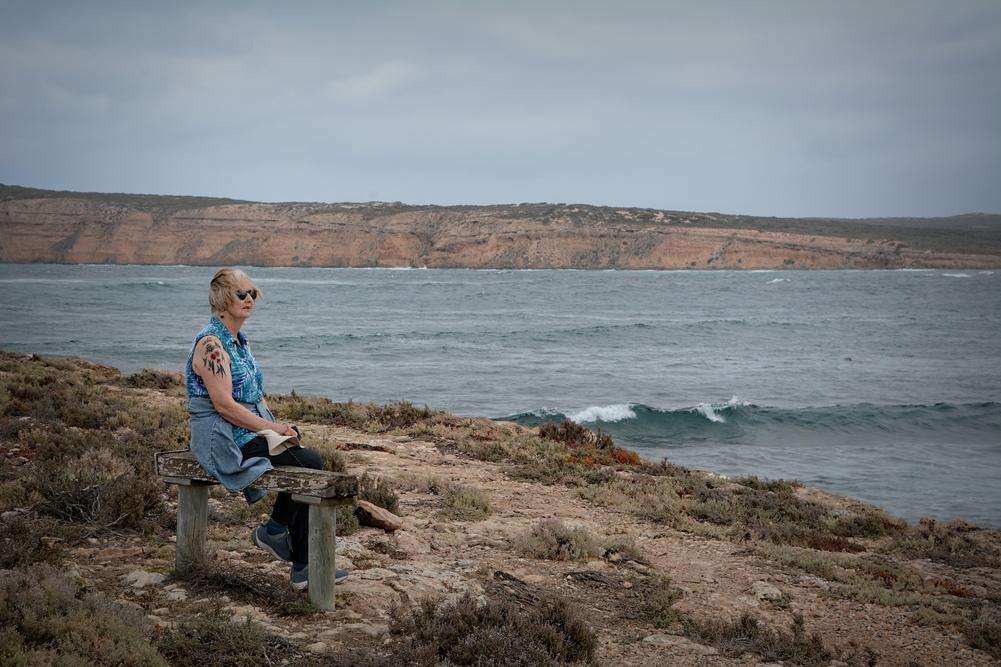
It’s a loop track with plenty of viewing spots, even a few cairns in case you are a bit confused where the track is taking you. Early on, be sure to watch your step – the track comes within a metre of the albeit shallow cliff dropping to the bay below.
2: Murphy’s Haystacks:
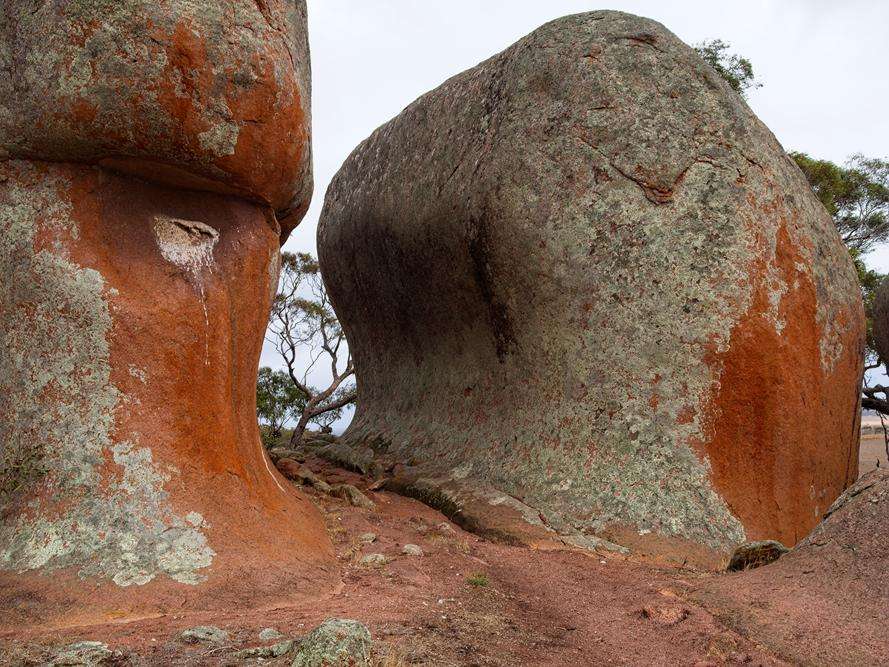
These inselbergs (as the Germans quaintly call them) comprise a well-known feature on the peninsula’s western side. Having seen photos of them many times, I was quite unprepared for just how many there are and how colourful these bizarre-shaped behemoths appear.
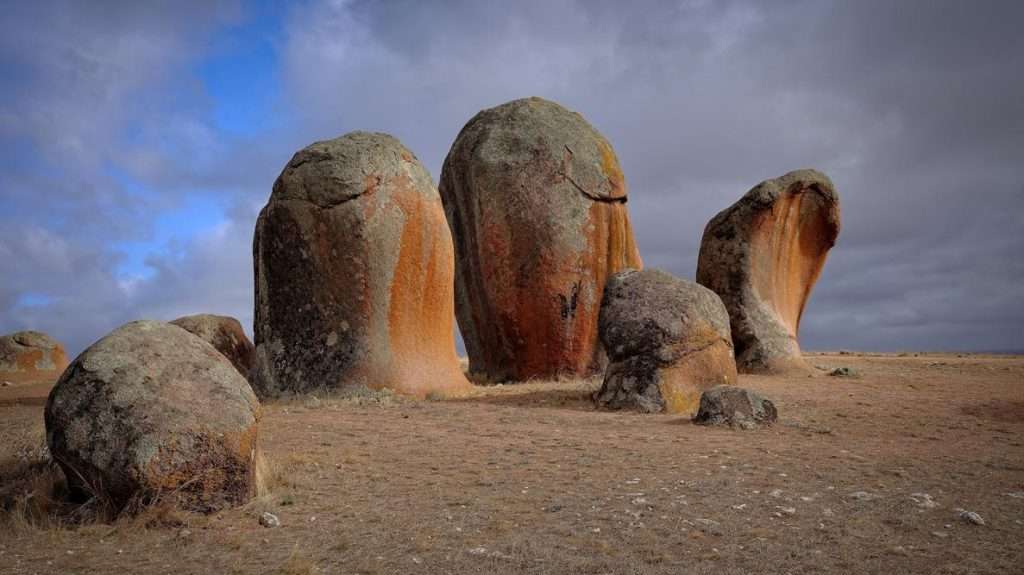
There’s a true Hanging Rock ambience to a few of these stacks, situated close together with gaps that exude mystery and dark spaces. A creative photographer’s delight, the Haystacks are on private property and a $4 donation is suggested. Worth every cent.
3: Clifftop Drives, Elliston
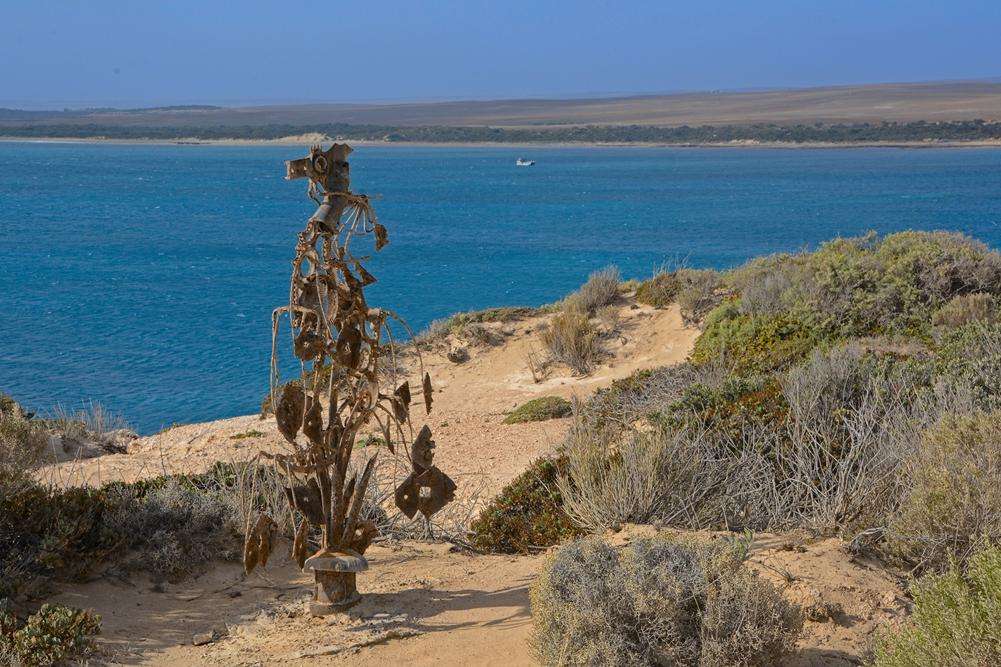
Right on the edge of the small community of Elliston is a drive that you should consider essential to experiencing the best of the wild Eyre west. The name Clifftop Drive describes the sights well – it’s three drives really, a couple of loop journeys followed by the Little Bay Drive due south.
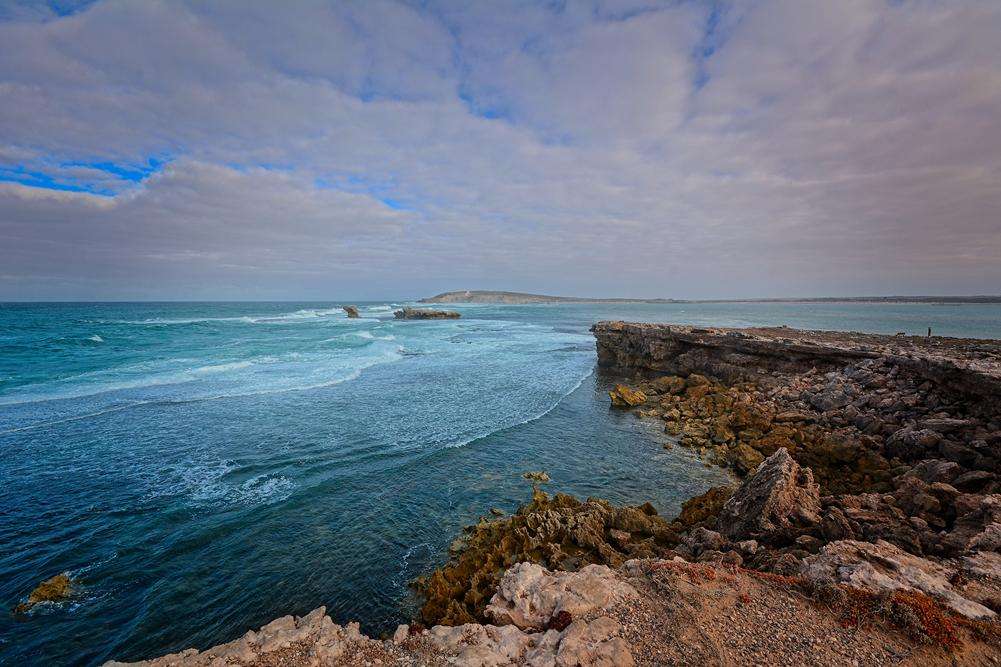
The latter is an especially versatile adventure since it combines safe lookouts above a roiling sea with opportunities to walk along the coast for a while and admire the jagged, rocky outlook. Quirky local sculptures provide entertaining photo subjects.
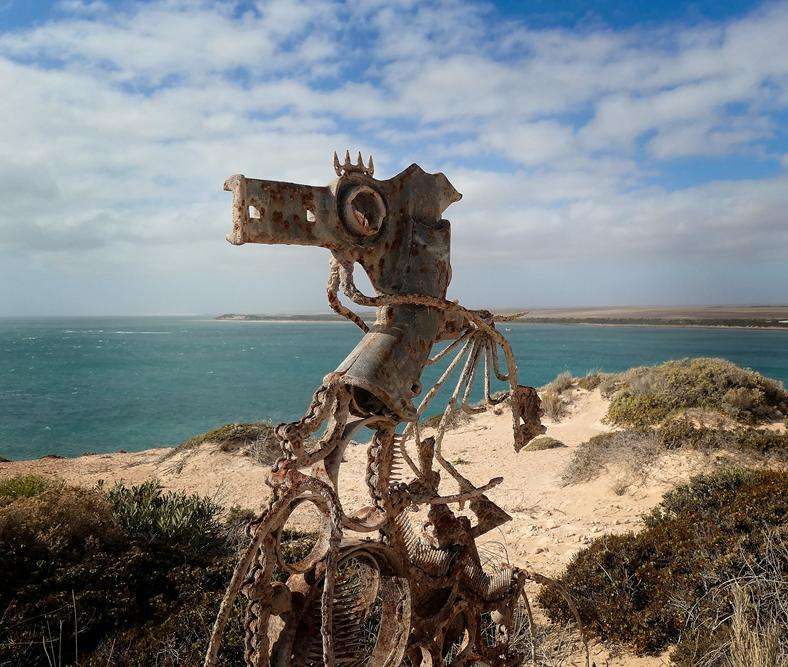
On a very warm but otherwise near-perfect day in March, we encountered maybe two or three other vehicles on these drives, making this seem like a private spot put here just for you.
4: Port Lincoln food and museum:
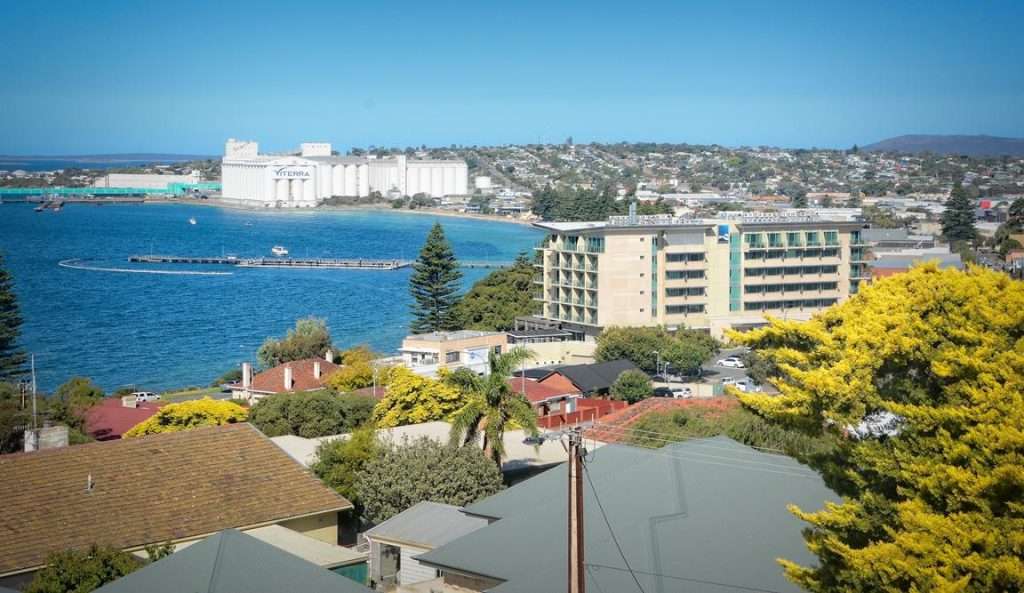
The largest Eyre community south of Port Augusta, Port Lincoln already enjoys a reputation for varied and excellent dining, quirky and worthwhile shopping, fishing and boating among the myriad nearby islands, and impressive homes. We only had time to try out four local eateries and all were delightful, the top-flight Chinese restaurant Peacock, Fumos (fabulous prawns), Del Giorno’s Café and Boston Bay Diner. Most of the best places to eat are located at the waterfront Tasman Terrace, making it very convenient to stroll along and make up your mind.
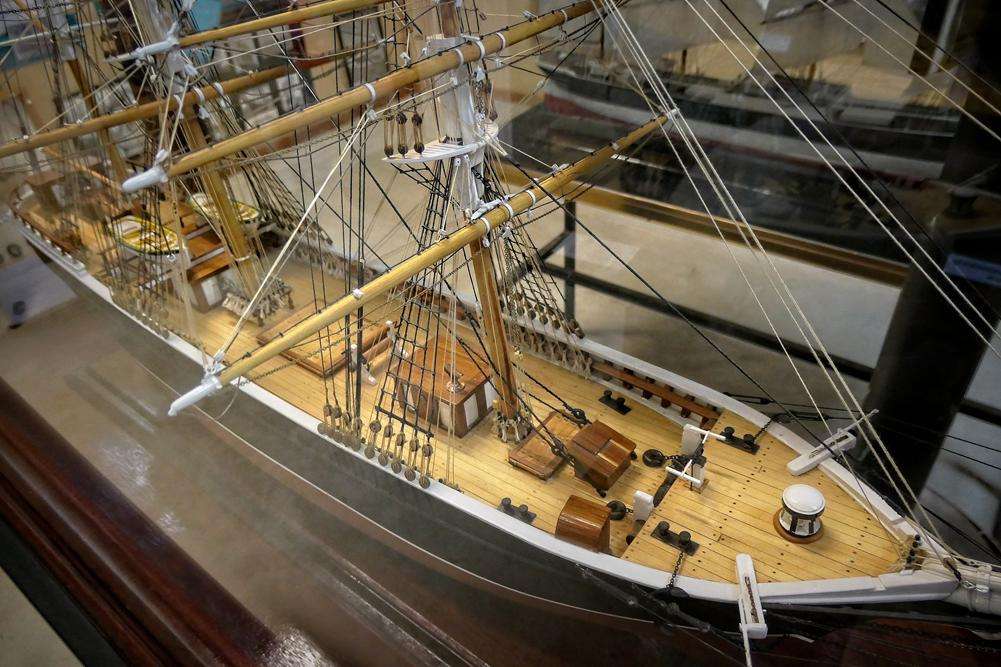
A very unexpected but quite worthwhile surprise was a visit to Axel Stenross Maritime Museum, packed with oceangoing boats and interpretive displays. The ever- cheerful volunteers were a font of knowledge.
We also enjoyed a climb to the top of the Old Mill for expansive Boston Bay views. There’s a national park just south of town which you must pay to enter – it boasts a nice drive and some okay beaches but not much more.
Those with 4WD will get a lot more out of a visit here than we did. One very worthy spot just outside the park is Seaford Bay at road’s end. The big waves and coastal vistas were just grand (and free, too).
5: Pildappa Rock (near Wudinna)
Okay, just about everyone has visited or seen photos of Western Australia’s celebrated Wave Rock near Hyden. Here’s a wave-like rock in the middle of nowhere that you can enjoy in utter privacy. Pildappa Rock is found just off the main highway near Minnipa, some 20 minutes northwest of Wudinna.
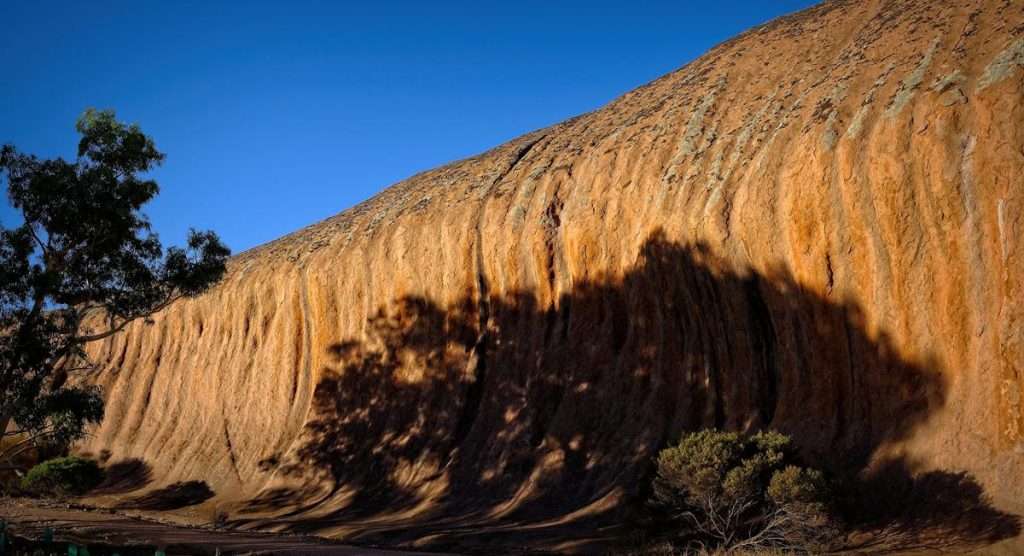
Arriving at about 8am after driving on a good gravel road, we timed our walk around the rock perfectly, with the morning sun illuminating its rough surface and casting deep shadows of the gum trees nearby. It’s a very easy 20-minute loop walking track around the rock, with the western side shrouded in darkness. Just a couple of kilometres away is Gawler Ranges National Park, but there is no fee at all (and plenty of parking) to visit this remarkable monolith.
6: Westall Loop at Streaky Bay
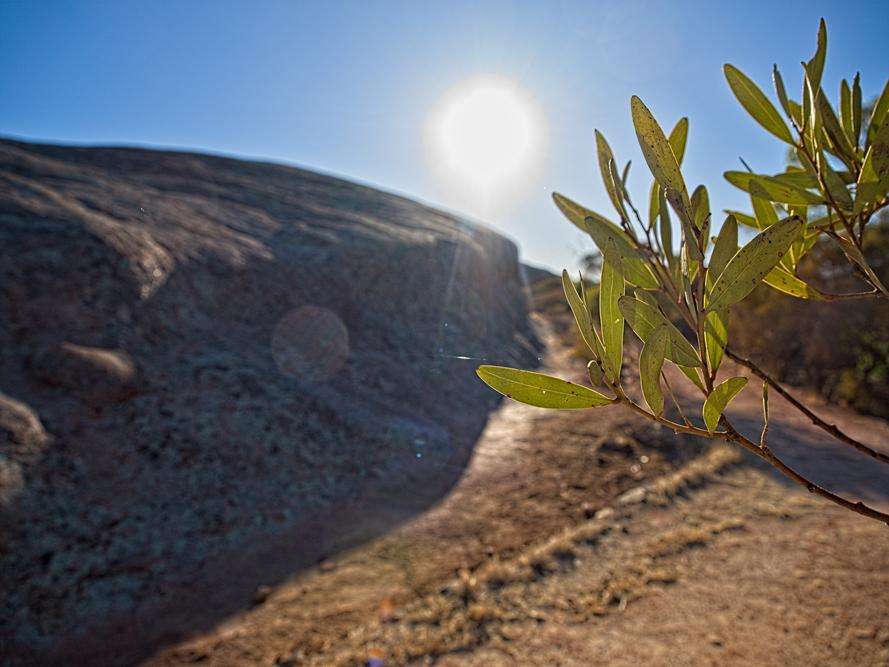
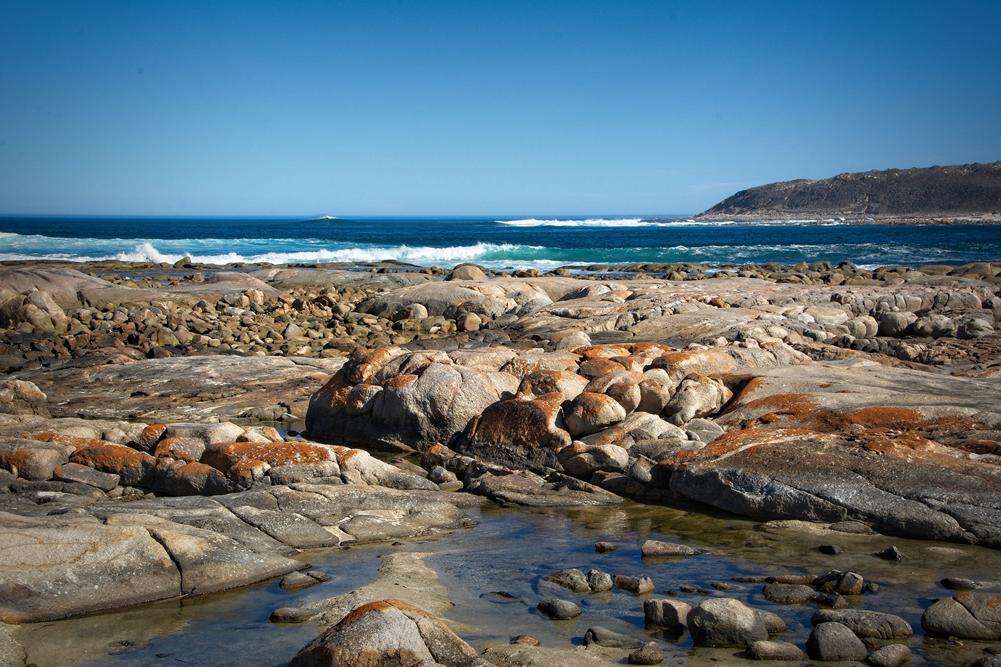
Here’s another seldom-mentioned local delight where you can enjoy a drive, a hike and even some rock exploration (and snorkeling, they tell us), all in a single three-hour adventure. The loop drive is not short (it’s 32 km long) but filled with worthwhile stops. We loved the photo opportunities of sea stacks at Highcliffs and the wide-open spaces of Yanerbie Beach, but the high point was a 40-minute stroll among the rock pools and vivid colours of Smooth Pool.
The town also offers a second driving loop called Cape Bauer (locally pronounced Bore) and there is indeed a nice long boardwalk out to Whistling Rocks and The Blowholes.
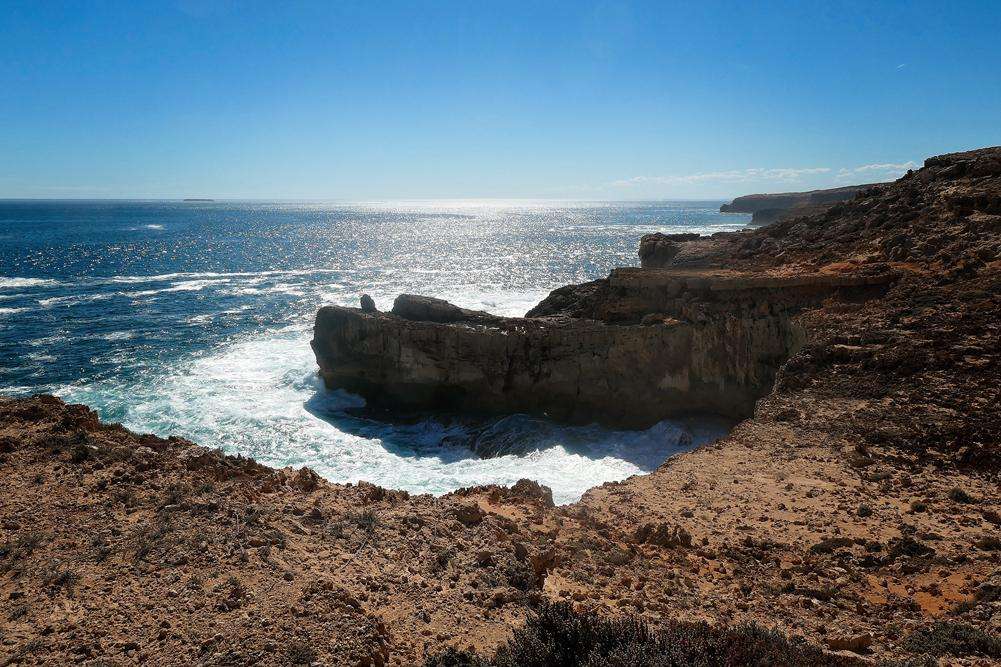
The problem is one part of the road is so utterly corrugated it feels like you’ve been tossed about inside a washing machine. We did this drive in an ordinary sedan – a 4WD might have been a wiser choice. You can avoid that part of the road by entering the loop at the suggested ending then doubling back.
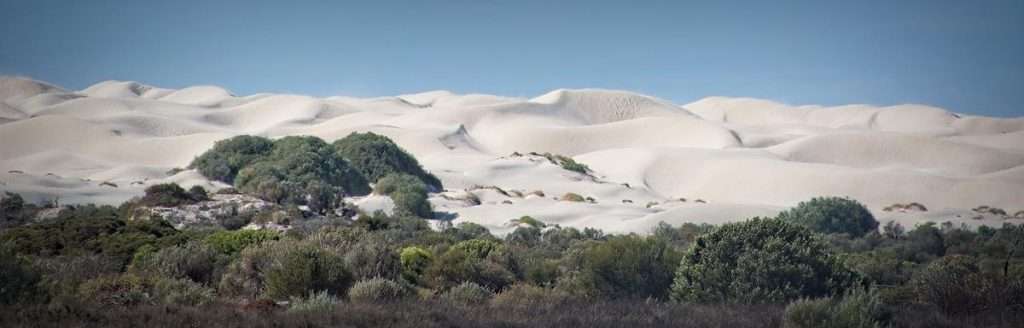
7: Tumby Bay’s Beach and Bakery
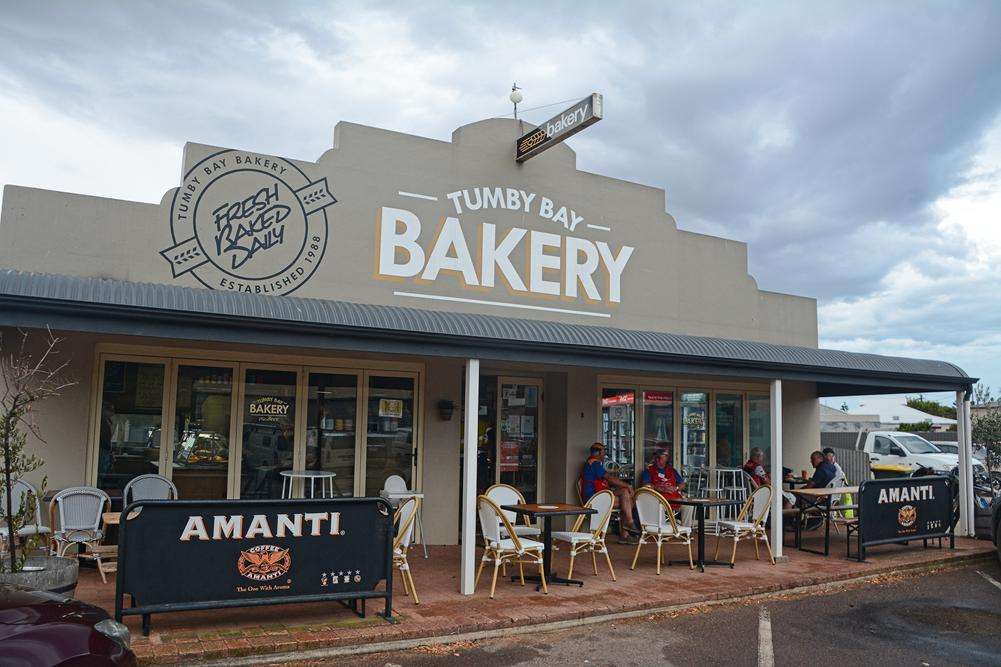
It is exceedingly rare that as a writer you begin your description of a locale by praising its bakery, but boy, is this a good one. Early in the morning we pulled up and went all agog at the sheer variety and freshness of the doughnuts, brownies, crème and yeast buns (and the list goes on…). Even the coffee was first-class. Always popular with locals and transients, this bakery is one of SA’s eating gems.
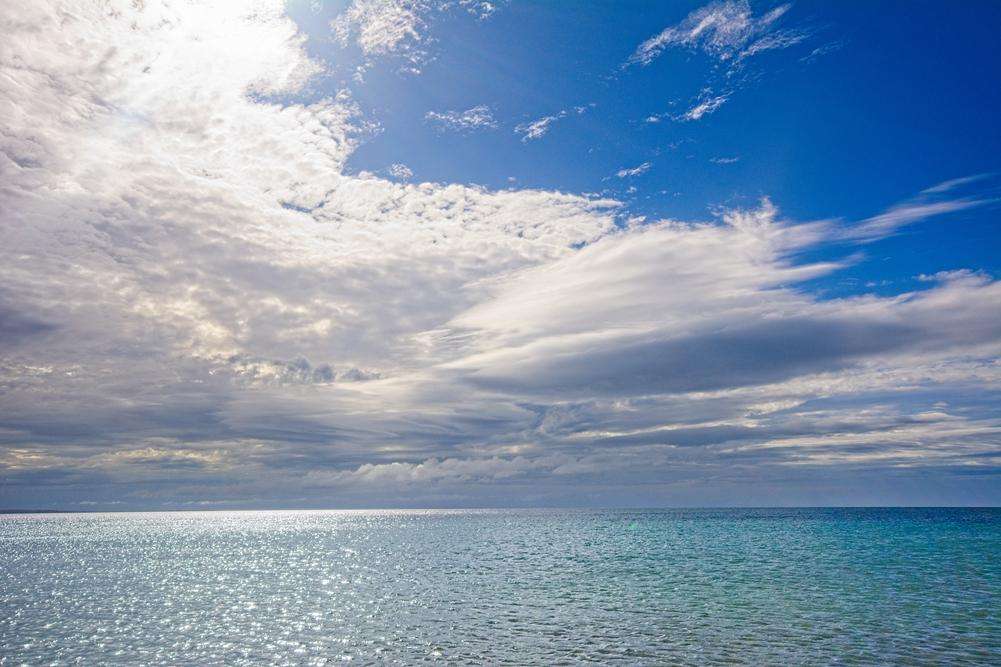
After gorging yourself, head off to Tumby Bay’s very placid local beach. Situated on the eastern Eyre, the monster waves of the west are a rarity here. I strolled out into the mild and shallow water quite a way to get some nice morning light images. Very gentle and very restful.
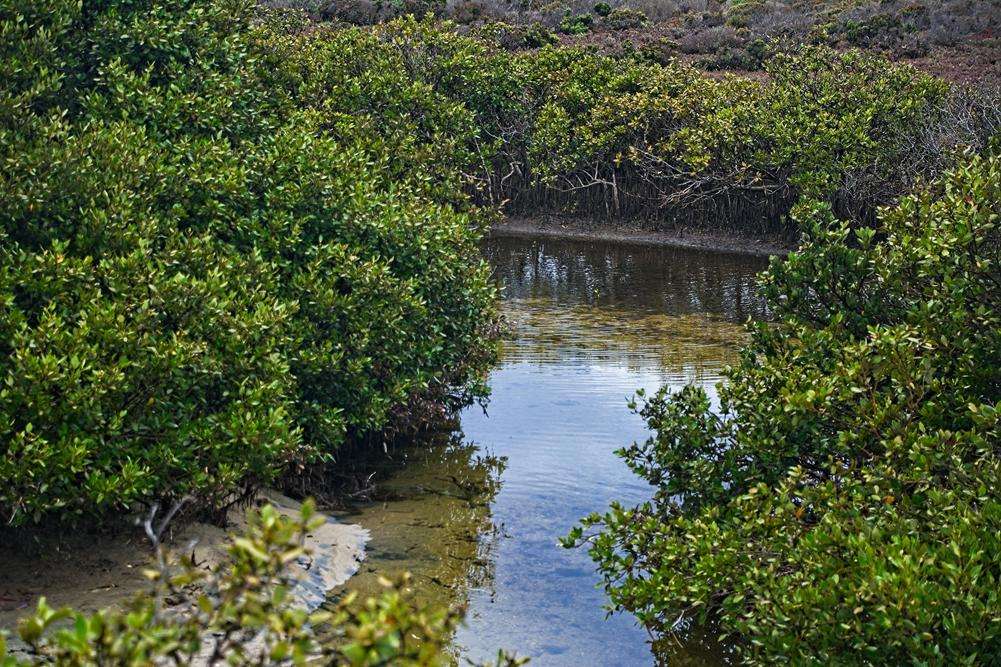
By asking around, we discovered an excellent mangrove walk on the edge of town. A boardwalk takes you all through this tidal zone, so essential to coastal health.
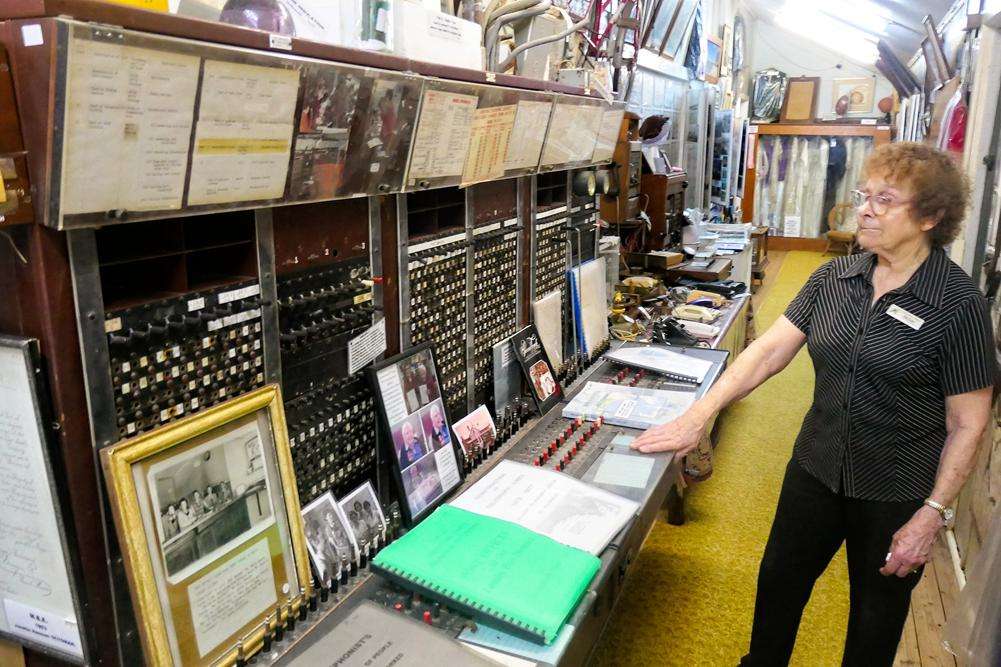
In Tumby Bay itself, don’t miss the National Trust Museum, packed with reminders of an earlier and less complex world. The volunteers are chatty and I greatly coveted a 1902-era music machine one lady showed me that played cylinders, the precursor to the 78 RPM records.
8: Mangrove Walk and Jetty at Arno Bay
Early morning at the extensive mangrove boardwalk at Arno Bay. There’s an eerie stillness in the air, punctuated only by the calls of petrels and cormorants and the majestic view of a sea eagle.
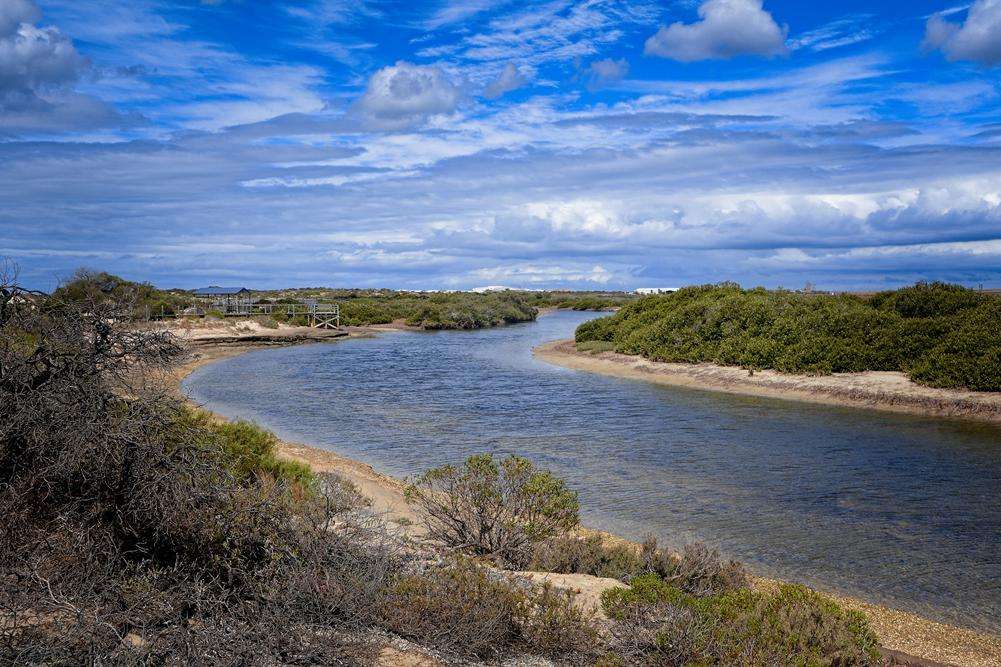
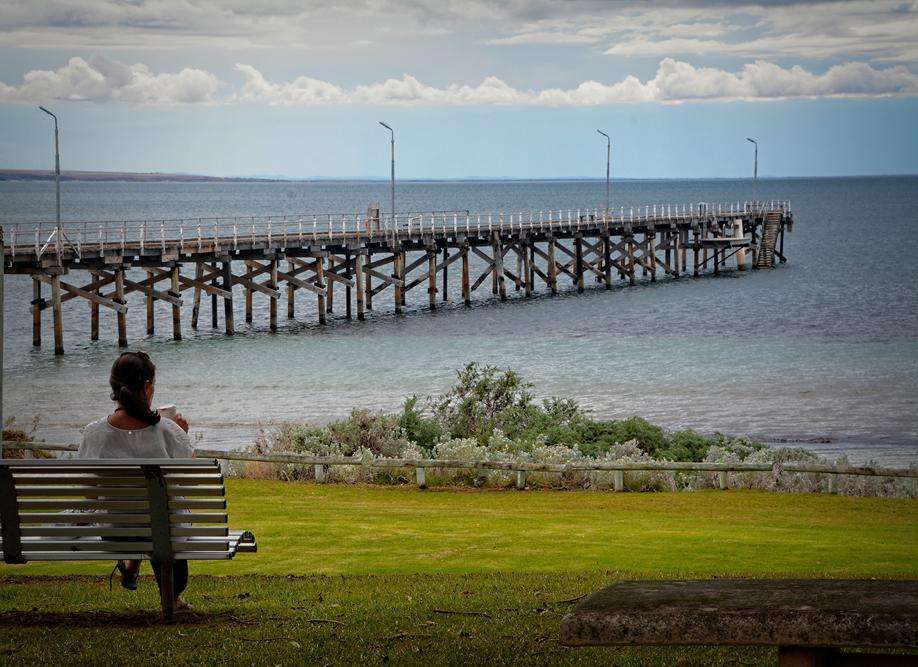
You have a choice of several different boardwalks here – the one we chose took us to the mouth of a river where we could view pelicans lording over a huge flock of gulls. Nearby is the local caravan park (where I guarantee I’d stay if I actually owned a caravan) and the long and lonely town jetty, perhaps the ideal spot anywhere on the Eyre Peninsula for dawn photos.
A few other pleasures of the Eyre would have to include a visit to Coffin Bay NP (which protects the local flora and fauna), the healthy and locally-sourced cuisine at Coffin Bay Café, the lawns and sheltered picnic area of tiny Port Neill and (for divers and snorkelers) a chance to see cuttlefish and seahorses up close at Tumby Bay and beyond.